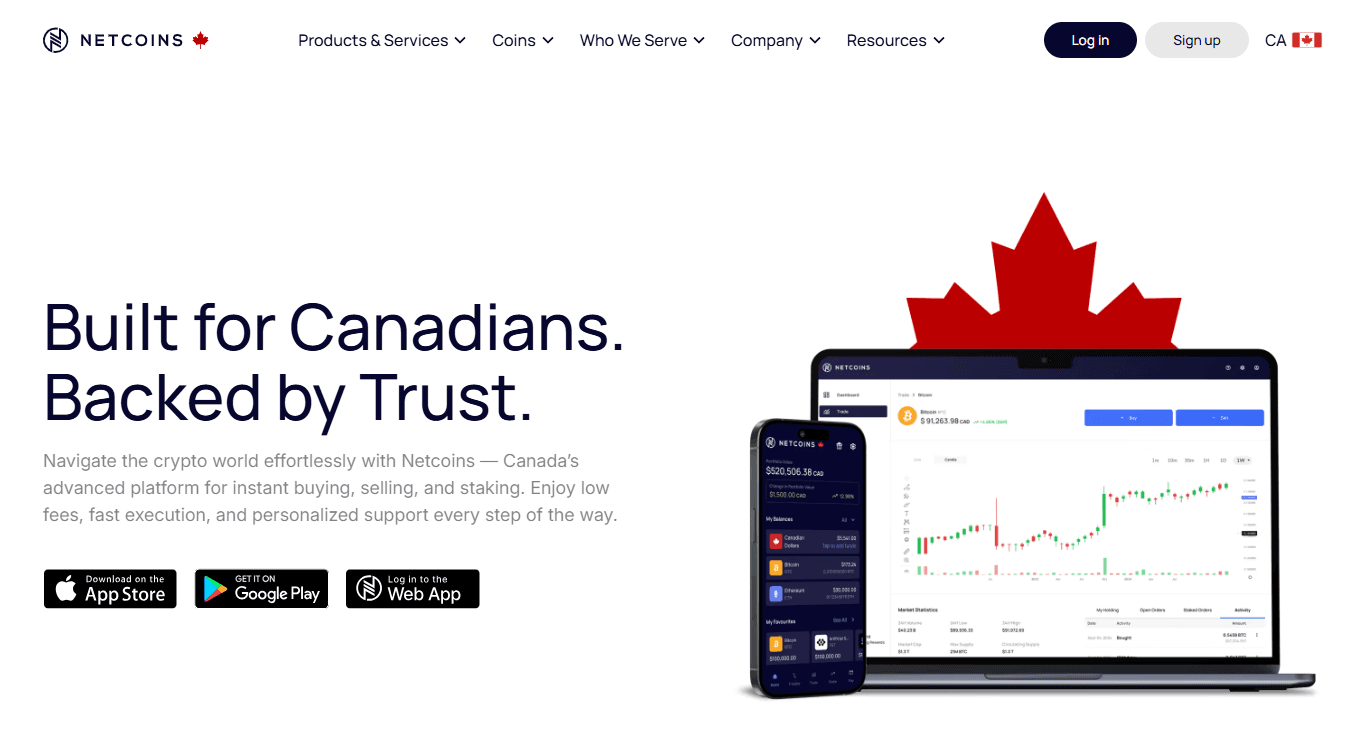
Netcoin Wallet: Complete Guide to Holding and Managing NET Safely
As crypto gains popularity, having a reliable wallet becomes essential, especially for altcoins like Netcoin. A wallet is the gateway to sending, receiving, and managing your digital assets — but only if you treat it with appropriate caution and care. This guide covers everything you need to know about using a Netcoin wallet effectively and securely.
What Is a “Crypto Wallet” — and How It Applies to Netcoin
Before diving into Netcoin specifically, it’s helpful to understand what any crypto wallet does:
A crypto wallet does not store coins in the usual sense. Instead, it stores your private keys — cryptographic credentials that prove you own funds on the blockchain.
Coinbase
+2
Wikipedia
+2
When someone sends you coins, what happens is the blockchain ledger records that the public address tied to your wallet now has additional coins. Your wallet simply reads that data and displays the balance.
Gemini
+1
When you send coins, the wallet uses your private key to sign a transaction. That signature authorizes the blockchain to deduct coins from your address and credit them to the recipient.
ENO Network
+1
So, in the context of Netcoin, a “Netcoin wallet” is a software (or potentially a hardware) wallet capable of storing the private keys associated with NET addresses — enabling you to send, receive, and hold NET securely, as well as partake in any on‑chain activity supported by Netcoin (e.g. mining or staking, depending on Netcoin’s protocol).
What Is Netcoin — A Quick Overview
Netcoin is a cryptocurrency that traces its origin to the open‑source code base of Litecoin (i.e. it uses the same Scrypt algorithm) according to the information from the Netcoin Foundation.
netcoinfoundation.org
+1
Some notable traits of Netcoin:
It is positioned as a Scrypt‑forked coin — similar in architecture to Litecoin.
netcoinfoundation.org
+1
Netcoin proponents refer to features such as hybrid Proof-of‑Work / Proof-of‑Stake‑like or staking mechanisms (depending on network state), depending on the protocol’s evolution by the foundation/community.
netcoinfoundation.org
+1
Because of this, using the official (or community‑recognized) Netcoin wallet is important to correctly interact with NET — for receiving, sending, staking, or mining.
Therefore, if you hold or plan to acquire NET, having a suitable wallet is a baseline requirement.
Why Use a Dedicated Netcoin Wallet — Key Benefits
Using a wallet specifically configured for Netcoin (rather than a generic or incompatible wallet) offers several advantages:
✅ Full Protocol Compatibility
A legit Netcoin wallet is designed to understand Netcoin’s blockchain — its address format, transaction structure, mining/staking mechanisms, and network parameters — ensuring that all your actions (send/receive/mine/stake) process correctly.
✅ Full Control Over Your Private Keys / Self-Custody
Like all non-custodial crypto wallets, Netcoin wallets give you exclusive control over your private keys — meaning you (not an exchange or third party) control access to your funds.
Coinbase
+2
Gemini
+2
This makes Netcoin wallets safer than leaving crypto on exchanges or unknown custodial platforms.
✅ Ability to Participate in Network Mechanisms
Because Netcoin supports features like mining, staking, or other network‑level rewards (depending on protocol version), using the official wallet ensures that your holdings are recognized properly by the network, and you remain eligible for potential rewards or mining.
netcoinfoundation.org
+1
✅ Transparency and Open‑Source Code (Where Applicable)
Since Netcoin is derived from publicly audited open‑source code (similar to Litecoin’s Scrypt base), using an approved wallet helps maintain the transparency and community trust that underpin the coin.
netcoinfoundation.org
+1
Setting Up a Netcoin Wallet — Step‑by‑Step
Here’s a generalized process for setting up a Netcoin wallet. Exact steps may vary depending on wallet version and your operating system, but the flow remains similar.
Step 1: Download from Official/Trusted Source
Go to the official Netcoin Foundation website or recognized repositories to download the wallet client (for Windows, macOS, or other supported OS). This reduces risk of downloading malicious or tampered software.
netcoinfoundation.org
+1
Step 2: Install and Launch the Wallet
After installation, run the wallet — the first time you open it, it may create a new wallet or give you the option to restore an existing one (if you already hold private keys).
Step 3: Backup Your Keys / Wallet Data
As with all non-custodial wallets, immediately backup your private keys or seed phrase. Store them offline (on paper or encrypted storage), never online in cleartext. Losing these means losing access to your funds. This is critical because the wallet doesn’t “store coins” — your private keys are what controls access.
Gemini
+2
Wikipedia
+2
Step 4: Let the Wallet Sync with the Netcoin Blockchain
Because Netcoin is a full‑node (or light‑node) coin, the wallet must synchronize with the blockchain to display correct balances and transaction history. Depending on network and version, this might take time.
Step 5: Receive NET — Get Your Address and Share It
Once up and synced, you can use the wallet “Receive” function to get your public Netcoin address. Share this with the sender or exchange to receive coins.
Step 6: Send NET — Initiate Transactions
To send coins, use the “Send” functionality, input recipient address, amount, check fees (if any), and confirm. The wallet signs the transaction using your private key and broadcasts it to the Netcoin network.
Step 7: (If Applicable) Stake / Mine / Participate in Network Rewards
If Netcoin supports mining or staking at the time (depending on its protocol implementation), use the wallet’s built-in options (or mining pool configurations) to participate, ensuring correct settings.
netcoinfoundation.org
+1
Security & Best Practices when Using Netcoin Wallet
Using a crypto wallet responsibly is as important as owning the wallet itself. Here are essential practices and risks to be aware of:
🔐 Always Keep Your Private Keys/Seed Phrase Safe
Your private keys are your access — if lost or exposed, your coins can be stolen permanently. Never store them online (plain text, cloud storage, screenshots).
✅ Use Official / Trusted Versions Only
Only download wallet clients from official or verified sources. Fake or tampered wallets can compromise private keys or redirect transactions.
⚠️ Understand That Wallets Don’t Hold Coins — Blockchain Does
As with any crypto wallet, Netcoin wallet doesn’t “hold” coins; it simply gives you access via private keys. What you own is recorded on the blockchain, tied to your public address.
Wikipedia
+1
Losing your private key (without backup) is equivalent to losing your coins.
🛡️ Keep Your Device Secure & Updated
Use antivirus / anti-malware tools, avoid suspicious downloads, and keep your OS updated. On desktop wallets, malware or clipboard‑stealer attacks are possible. This applies to all hot wallets.
Blockworks
+1
📄 Maintain Offline Backups
Store backups (private keys / wallet data) offline — such as on a hardware device, external drive, or printed sheet. Avoid storing backups in cloud services or as plain text files.
Common Pitfalls and What To Watch Out For
Even when using a legitimate wallet and good practices, mistakes happen. Here are some common pitfalls:
Not backing up before wallet synchronization — if machine fails, you may lose keys.
Downloading from unverified sources — risk of malware or theft.
Ignoring updates or network changes when Netcoin undergoes upgrades — may cause misalignment or loss.
Treating wallet as a bank account (centralized mindset) — unlike banks, crypto wallets require self‑custody and self‑responsibility.
Trusting “too good to be true” staking/mining promises outside official channels — scams are common in crypto.
Who Should Use Netcoin Wallet — And Who Should Be Cautious
✅ Netcoin Wallet is suited for:
Users who hold NET long-term and want control over their funds
People intending to use Netcoin’s mining, staking, or network features
Those comfortable managing private keys and practicing good crypto hygiene
Users who prefer self-custody rather than leaving assets on exchanges
⚠️ Be Cautious if:
You’re new to crypto and don’t want the burden of managing keys (consider simpler custodial solutions)
You’re holding large sums but not ready to set up secure storage (cold wallets, hardware wallets)
You depend on frequent access from untrusted devices or public computers — these increase risk
Why Crypto Wallet Principles Matter — Not Just for Netcoin, but for All Coins
Many of the fundamentals discussed here apply broadly to all cryptocurrencies, not just Netcoin. A wallet, whether for Bitcoin, Ethereum, or Netcoin, works on the same principle: storing private keys, giving you access to public addresses, and enabling transactions when you sign them.
Gemini
+2
ENO Network
+2
Understanding this helps you treat crypto responsibly: always back up, never share keys, and manage risk. As one Reddit user put it:
“A wallet is like your keyring. It groups keys, and the application uses them to sign transactions… You control the keys, so you control the coins.”
+1
This mindset — self‑custody, responsibility, and informed behavior — is what separates secure, confident crypto users from those who end up losing funds due to negligence or scams.
Final Thoughts — Is Netcoin Wallet Right For You?
If you hold Netcoin and value ownership, control, and independence, then using a proper Netcoin wallet is likely your best option. It gives you full control over your private keys, supports Netcoin’s protocol (mining, staking, transactions), and aligns with the spirit of decentralization.
However — this comes with responsibility. A wallet doesn’t protect you automatically. You must take precautions: backup, secure storage, verified downloads, safe device use.
Used wisely, a Netcoin wallet helps you truly own your crypto. Used carelessly, the risk is all yours. As long as you stay aware and cautious, Netcoin can be part of a secure, decentralised, self‑sovereign financial journey.